
So you have decided to pack light!? It is one of the best travel habits you will ever pick up, and I say that as someone who spent years hauling a suitcase the size of a small fridge through airports because I was convinced I might need three jumpers for a long weekend in Italy. I did not. I never do.
Minimalist packing is not about suffering, or wearing the same grubby t-shirt for a fortnight. It is about carrying less, choosing better, and never once standing at a baggage carousel watching everyone else’s bags come out first while yours plays hide and seek. This guide covers the lot: picking the right bag, building a tiny wardrobe that still gives you options, the toiletries question, the tech, and the small tricks that quietly shave kilos off your load. Grab a brew. Let’s get your bag sorted properly.
This article may contain affiliate links. If you make a purchase through these links, we earn a small commission at no extra cost to you. This helps fund the site and keeps our guides free. See our full affiliate disclosure for details.
Minimalist Travel Packing Tips: Quick Facts
What minimalist packing actually means

Let’s clear something up first, because there is a lot of nonsense online about this. Minimalist packing does not mean owning four items of clothing and calling yourself a nomad. It does not mean beige linen and a smug expression. It just means you pack for the trip you are actually taking, not the fantasy version where you suddenly need a blazer, hiking boots and a swimsuit on the same three-day city break.
The core idea is simple: every item earns its place. If something only works with one outfit, or you are packing it “just in case”, it is probably a passenger and not a crew member. In my experience the people who travel lightest are not the most disciplined, they are just the ones who got tired of lugging dead weight around. Once you feel how good it is to walk straight off a plane and into the day, you rarely go back.
Start with the bag, not the stuff

Big mistake most people make? They pile up their clothes first, then go looking for a bag big enough to swallow it all. Do it the other way round. Pick your bag, and let its size do the editing for you. A smaller bag is a constraint, and constraints are your friend here. If it does not fit, it does not come.
Soft-sided bags beat hard cases for the minimalist because they squash into sizers and overhead bins with a bit of persuasion. A cabin backpack keeps your hands free and works brilliantly for hostels, trains and cities with cobbles that would eat a wheelie case alive. If you like wheels, fine, just know an empty wheeled case already weighs more before you have packed a thing.
← Swipe to scroll on mobile
| Bag type | Best for | Rough size | Watch out for |
|---|---|---|---|
| Cabin backpack | Hands-free travel, hostels, city breaks | 30 to 40 litres | Can bulge past the sizer if you overstuff it |
| Wheeled cabin case | Smooth floors, business trips, dodgy backs | 35 to 45 litres | Heavier when empty, hopeless on cobbles |
| Soft holdall or duffel | Squashy fit, flexible packing | Varies a lot | No structure, hard on the shoulder when heavy |
| Under-seat personal item | The proper minimalist flex, short trips | 15 to 25 litres | Ruthless editing required, no souvenirs |

Compression Packing Cubes
Pack more for the trip: With the spacious packing cubes compression with extra-large capacity
The capsule wardrobe: fewer clothes, more outfits
This is where minimalist packing lives or dies. The trick is a capsule wardrobe, which sounds fancy but just means everything you bring works with everything else. Pick two or three colours that play nicely together, stick to them, and suddenly a handful of items gives you a week of combinations. My rule is boring but it works: if a top only goes with one pair of trousers, one of them stays home.
Fabric matters more than quantity. Merino wool is the minimalist’s best mate because it resists smells, dries fast and does not crease into a ball. A good merino tee runs about £25 to £70 (€30 to €85 / $32 to $90), which stings a bit up front, but you can wear one for days between washes without anyone wrinkling their nose. Synthetic quick-dry stuff does a similar job for less. Cotton is comfy but heavy, slow to dry and creases if you look at it funny, so keep it to a minimum.
- Pick a two or three colour palette so everything mixes.
- Favour layers over one bulky item. Two thin things beat one thick thing.
- Choose quick-dry fabrics you can rinse in a sink and wear the next morning.
- One “nice” outfit covers dinners and anywhere with a dress code.
← Swipe to scroll on mobile
| Item | Weekend (2 to 3 days) | One week | Two weeks plus (with laundry) |
|---|---|---|---|
| Tops and t-shirts | 2 to 3 | 4 to 5 | 5 to 6 |
| Bottoms | 1 to 2 | 2 to 3 | 3 |
| Warm layer | 1 | 1 | 1 to 2 |
| Underwear and smalls | 3 | 5 to 7 | 7, wash as you go |
| Sleepwear | 1 | 1 | 1 |
| Shoes (including worn pair) | 1 to 2 | 2 | 2 |
Roll, fold, or cube it

The great rolling versus folding debate. People get weirdly passionate about this, so here is the honest answer: it depends on the fabric, and the real winner is doing both. Roll the soft casual stuff to save space and fight creases, fold the structured items that need to keep their shape, and use packing cubes to stop the whole thing collapsing into chaos the moment you open the zip.
Packing cubes are the one bit of kit I would not travel without. They cost around £10 to £25 (€12 to €30 / $13 to $33) for a set and they turn your bag from a jumble sale into a filing system. Tops in one, bottoms in another, underwear in a third. No more unpacking the entire bag to find one thing at the bottom.
← Swipe to scroll on mobile
| Method | Best for | Space saving | The catch |
|---|---|---|---|
| Rolling | T-shirts, casual wear, knitwear | High | Not ideal for stiff, structured garments |
| Folding | Shirts, blazers, anything that holds a shape | Low to medium | Creases more when the bag gets jostled |
| Packing cubes | Staying organised, compressing bulk | Medium, more with compression cubes | Small upfront cost and a touch of weight |
Toiletries and the liquids question

Toiletries are where minimalist packing quietly goes wrong. A full washbag of full-size bottles is heavy, leaks at altitude and gets you pulled aside at security. The fix is going solid wherever you can. A bar of shampoo, a stick of solid deodorant and a little tin of toothpaste tablets weigh almost nothing, last for ages and are not counted as liquids at all.
Speaking of liquids, the rules are in a bit of a state right now. For years it was simple: containers of 100ml or less, all in one clear resealable bag, taken out at security. That is still the default at most airports around the world. A growing number now have new 3D scanners that let you carry bigger containers and keep everything in your bag, but the rollout is patchy and the list changes often. The catch is the return leg. You might fly out from an airport that allows a full bottle and fly home through one that still runs the old rule, so pack for the stricter of the two.
The safe minimalist move is to sidestep the whole thing. Go solid, keep any real liquids under 100ml, and you will breeze through no matter which scanner you meet. If you want the full breakdown of what you can and cannot bring, our guide on what you are allowed in your hand luggage covers the exemptions for medication and baby items too.
← Swipe to scroll on mobile
| Liquid item | Solid or dry swap | Why it wins |
|---|---|---|
| Shampoo and conditioner | Bar shampoo and conditioner | No liquid limit, lasts ages, cannot leak |
| Toothpaste | Toothpaste tablets | Tiny, tidy, no squeezy mess |
| Deodorant | Solid stick or crystal | Not treated as a liquid at security |
| Sun cream | Stick sunscreen | No spill, though take a bigger tube for beach days |
| Perfume or aftershave | Solid balm perfume | Pocket sized and cabin safe |

Gear we actually travel with
Passport holders, packing cubes, travel wallets. Stuff that earns its place in the bag.
Browse the shopShoes: the quiet space thieves
Shoes are the single biggest space and weight problem in most bags. They are heavy, awkwardly shaped and impossible to squash. The answer is brutal but effective: two pairs, maximum, and one of them is already on your feet. For most trips that means one comfortable pair you can walk miles in, and one slightly smarter pair if you actually need it. If you are only going for a weekend, one good pair does the whole job.
Wear the heaviest, bulkiest pair on travel day. Trainers or boots on your feet, lighter shoes in the bag. It looks a little silly striding through departures in your chunkiest footwear, but your back and your baggage allowance will thank you. Pack the spare pair sole to sole in a bag so they do not smear the rest of your clothes.
Tech, cables and the one-eSIM life
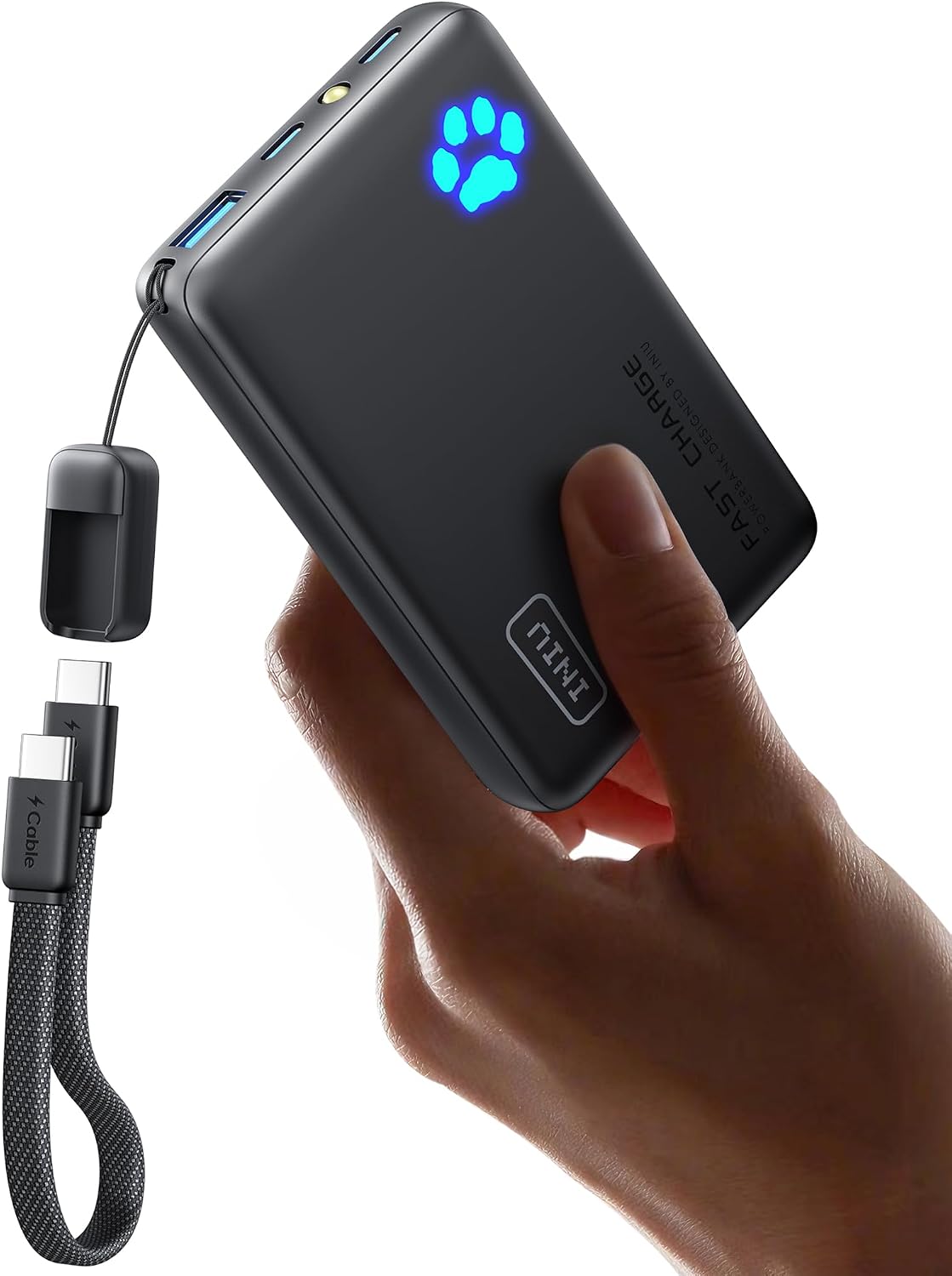
INIU 45W Fast Charging Power Bank, 40% Smaller 10000mAh
45W Pro Speed Portable Phone Charger
Tech is sneaky. It does not look like much, but a tangle of chargers, adapters, spare cables and a couple of gadgets adds up fast, and it is nearly all dead weight. Be honest about what you will actually use. One phone, one charger, a slim power bank, a single universal adapter and a short cable or two covers most travellers. If you do not need a laptop, do not bring one. A phone handles maps, tickets, photos and messages just fine.
The best minimalist swap here is skipping the whole roaming faff. Rather than hunting for a local SIM or paying eye-watering roaming charges, load a travel eSIM before you leave and you land already connected. Plans start from around £4 to £15 (€5 to €18 / $5 to $19) depending on the data and country, and there is no fiddly plastic SIM to lose down the back of a hostel bunk. If you are travelling with a laptop for work, our tips on flying with your laptop are worth a read for the security-line stuff.
- One universal adapter beats three country-specific plugs.
- A slim power bank saves you hunting for sockets in cafes.
- Short cables tangle less and weigh less than long ones.
- Leave the gadgets you “might” use. You know the ones.
Wear your bulkiest stuff on travel day
This is the oldest trick in the book and it still works. Whatever your heaviest, bulkiest items are, wear them on the plane. The chunky jumper, the coat, the boots. It costs you nothing in bag space and it can be the difference between sailing under your weight limit and getting stung at the desk.
Layers are the smart way to handle changeable climates too. Instead of one enormous coat, pack a couple of thinner layers you can add or peel off. Two light layers give you more flexibility than one heavy one, they pack smaller, and they cover a wider range of temperatures. A packable lightweight jacket that scrunches into its own pocket is worth its weight in gold for exactly this.
Laundry on the road
Here is the mindset shift that unlocks proper light travel: you do not need to pack for the whole trip, you need to pack for a few days and a wash. Once you make peace with doing a bit of laundry, a fortnight fits into the same bag as a long weekend. A little travel wash and a universal sink plug, or a couple of quid in a laundrette, resets your whole wardrobe.
Where you stay makes this easier or harder. Plenty of hostels with laundry facilities on site let you wash a load for pocket change, which is a big part of why solo and long-term travellers can go so light. If you are booking an apartment or a place with a machine, factor that in when you decide how much to pack. Quick-dry fabrics rinsed in the sink at night are dry by morning, which is the whole reason merino and synthetics earn their keep.
The "just in case" trap

Windproof Travel Umbrella - Compact
Engineered to outperform ordinary umbrellas, this compact folding umbrella withstands extreme conditions with reinforced fiberglass ribs, a vented canopy, and strong fabric.
Almost everything people overpack falls under two words: just in case. The just-in-case umbrella. The just-in-case fancy outfit. The just-in-case first-aid kit big enough for a small expedition. Here is the thing about just in case: nearly everything you might need, you can buy at your destination. Other countries have shops. They sell toothpaste and plasters and yes, even umbrellas.
So pack for the trip you are almost certainly going to have, and trust that the rare exception can be solved on the ground for a few quid. The exceptions worth carrying are the things that are genuinely hard to replace fast: prescription medication, travel documents, and anything with real sentimental or financial value. For that last group, it is worth sorting travel insurance that covers your valuables, so the few important things you do carry are protected if they go missing. If you want a proper master list to trim from, our travel packing checklist is a good starting point. Travelling as a group changes the maths, so our family packing list is handy if there are little ones in tow.
Weigh it, check it, done

Last step, and the one people skip at their peril. Before you close the bag for good, weigh it. A little handheld luggage scale costs around £8 to £15 (€10 to €18 / $10 to $19) and it removes all the guesswork. Hooking your bag up at home beats the sinking feeling of watching the check-in scale creep over the limit while the person behind you sighs.
Then do the walk-around test. Sling the bag on and carry it up and down the stairs a couple of times. If it is comfortable, you are golden. If you are already grumbling after two flights of stairs, take something out, because it only feels heavier after a long travel day. Prices are a guide and vary by brand, retailer and where you buy, but every one of these small buys tends to pay for itself the first time it saves you a fee or a sore shoulder.
Time to lighten the load
Packing light is a bit like learning to drive. It feels awkward the first time, and after that you cannot imagine doing it any other way. Start with a smaller bag than feels comfortable, build a little capsule wardrobe, go solid on toiletries, and lean on laundry for the longer trips. Do that and you will glide off the plane while everyone else queues at the carousel.
The best part of travelling light is not really about the bag at all. It is the freedom. You spend less on baggage fees, waste less time waiting around, and put that money and energy where it belongs, into actually doing things. If you would rather spend on experiences than extra luggage, book a local tour at your destination and travel there with a bag you barely notice. For more ideas, our full packing tips hub has you covered, and if you have left it all to the last minute, our last-minute packing guide will get you out the door fast. Safe travels, and pack light.
FAQs
How many outfits do I really need for a week?
Fewer than you think. Around 4 to 5 tops, 2 to 3 bottoms and one warm layer, all in a matching colour palette, gives you a full week of mix-and-match combinations. Add one nicer outfit if you have a dinner or an event, and you are sorted.
Is carry-on only actually realistic for two weeks?
Yes, as long as you are happy to do a bit of laundry. The clothes you pack for a week are much the same as the clothes you pack for two, you just wash them once or twice in between. Quick-dry fabrics make this painless.
Should I roll or fold my clothes?
Both, depending on the item. Roll soft and casual things like t-shirts to save space and reduce creasing, and fold structured pieces like shirts and blazers to keep their shape. Packing cubes keep the whole system tidy.
Can I take solid toiletries through airport security?
Yes, and it is one of the best minimalist moves you can make. Bar shampoo, solid deodorant and toothpaste tablets are not treated as liquids, so they skip the 100ml restriction completely and there is nothing to leak.
What is the one thing most people overpack?
Clothes, closely followed by shoes and “just in case” items. Almost everyone brings more outfits than they wear and at least one extra pair of shoes that never leaves the bag. Trust the capsule wardrobe and leave the maybes at home.
Travel Hubs
Recommended Websites and Resources:
- Flights: Find the best deals on Trip.com
- Hotels: Best rates on Booking.com · Best hostels on HostelWorld · Ratings and bargains on TripAdvisor
- Apartments: Affordable rentals on VRBO
- Car hire: Best prices on RentalCars.com
- Travel insurance: EKTA for worldwide cover · AirHelp for flight delay compensation
- Activities: Tours and skip-the-line tickets on GetYourGuide · Instant mobile tickets on Tiqets
- Trains: Most affordable trains on Trainline · Rail passes on Rail Europe
- Travel eSIMs: Use your mobile phone anywhere worldwide with Airalo
- Need more help planning your trip? Visit our Resources Page to see all the companies we trust and use for our travels


